The Hidden Power of High-Altitude Aromatherapy: Oxygen Scent Systems
Fact-checked by Greg Holloway, Product Testing Analyst
Key Takeaways
Quick Answer: In high-altitude aromatherapy two distinct approaches have emerged: those who focus on oxygen pay and those who focus on scent intensity.
In This Article
Summary
Here’s what you need to know:
, stay up-to-date with the latest developments and best practices in high-altitude aromatherapy design.
Introduction: The Two Schools of High-Altitude Aromatherapy in Wellness Design
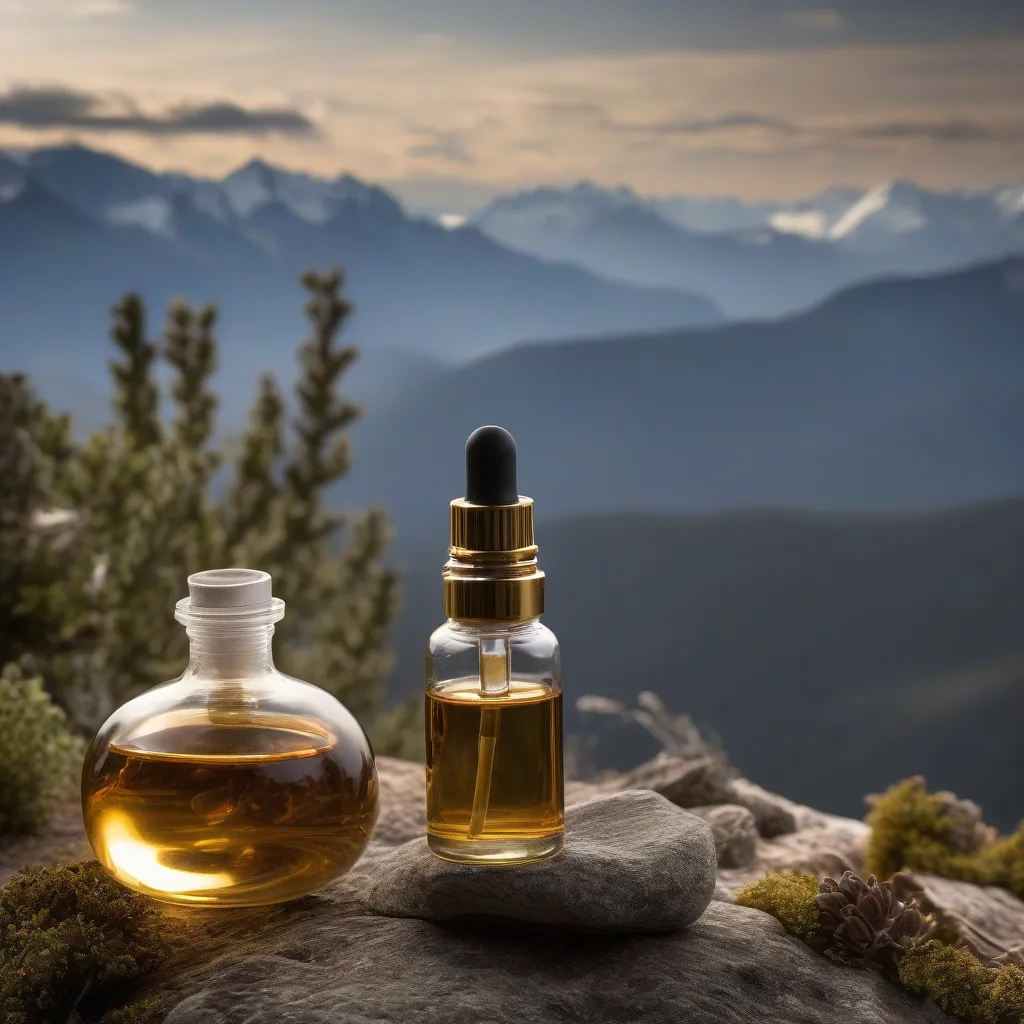
Quick Answer: In high-altitude aromatherapy two distinct approaches have emerged: those who focus on oxygen pay and those who focus on scent intensity. The difference lies in their understanding of how altitude affects scent molecules. At sea level, essential oils are dispersed through ultrasonic diffusers, which release a fine mist that allows the fragrance to spread evenly.
In high-altitude aromatherapy two distinct approaches have emerged: those who focus on oxygen pay and those who focus on scent intensity. The difference lies in their understanding of how altitude affects scent molecules. At sea level, essential oils are dispersed through ultrasonic diffusers, which release a fine mist that allows the fragrance to spread evenly. However, at high altitudes, the air is thinner, and scent molecules disperse faster and evaporate quicker, rendering traditional diffusion techniques ineffective.
Oxygen scent systems have become the go-to solution for high-altitude aromatherapy, as they account for the unique conditions at high elevations. These systems use nebulizers to convert essential oils into a fine mist that can be delivered directly into the air, bypassing the limitations of traditional diffusion methods. In practice, this means that oxygen scent systems require a more complex setup, including oxygen-level monitoring stations, pulse oximeters, and air quality monitors.
A residential implementation at 6,000 feet might involve installing a basic oxygen-compensating system paired with a specialized nebulizer, which would cost around $1,500 and take 2–3 days to set up. But a commercial space above 8,000 feet might require a more sophisticated solution that integrates with building pressurization systems, costing upwards of $3,000 and taking 1–2 weeks to install.
The International Aromatherapy Association has recognized the importance of altitude-specific certification for practitioners working above 4,000 feet, emphasizing the need for specialized knowledge and training in high-altitude aromatherapy. , stay up-to-date with the latest developments and best practices in high-altitude aromatherapy design.
A residential implementation at 6,000 feet might involve installing a basic oxygen-compensating system paired with a specialized nebulizer, which would cost around $1,500 and take 2–3 days to set up.
By understanding the fundamental differences between oxygen pay and scent intensity, designers can create truly effective aromatic environments that not only feel fragrant but also genuinely therapeutic. The future of high-altitude aromatherapy is bright, and with the right approach, we can unlock the full potential of this powerful tool for mountain wellness design.
Key Takeaway: In practice, this means that oxygen scent systems require a more complex setup, including oxygen-level monitoring stations, pulse oximeters, and air quality monitors.
Prerequisites, Tools, and Common Pitfalls and High-Altitude Aromatherapy
So, you think you’re ready to tackle high-altitude aromatherapy? Think again. First, you need to know your numbers: elevation and current air quality. These two factors will be your guides for choosing the right tech. You’ll need a digital altitude reader, air quality monitor, and scent evaluation kit on hand. And, just to give you an idea, check out the Altitude Air Quality Index – a metric developed by the International Aromatherapy Association to help practitioners assess their space’s suitability for high-altitude aromatherapy.
In practice, this index takes into account factors like oxygen levels, humidity, and air pressure. Suddenly, your space at 6,000 feet doesn’t seem so straightforward. A residential space at that elevation might have an Altitude Air Quality Index of 4.5, indicating a moderate risk of scent loss due to altitude. Designers can now select the most effective oxygen scent systems and adjust their implementation accordingly. But don’t make the rookie mistake of relying on traditional ultrasonic diffusers – they can’t cut it at high altitudes.
Many designers make the rookie mistake of assuming what works at sea level will work in the mountains. Guess what, and it won’t. As of 2026, the International Aromatherapy Association now requires altitude-specific certification for practitioners working above 4,000 feet – not just a bunch of red tape. And if you ignore oxygen levels while focusing solely on scent delivery, you’re just setting yourself up for failure in high-altitude environments. As of 2026, the International Aromatherapy Association now requires altitude-specific certification for practitioners working above 4,000 feet – not just a bunch of red tape, but a recognition that standard approaches don’t cut it in these conditions, as reported by IPCC.
Take Dr. Maria Rodriguez, a certified practitioner with extensive experience in high-altitude environments. She’ll tell you that understanding the unique challenges posed by altitude is key. ‘It’s not just about the tech,’ she notes, ‘but about understanding the intricate relationship between scent molecules, air quality. Human perception.’ By grounding your approach in this subtle understanding, you can create aromatic environments that not only smell great, but genuinely feel therapeutic.
Key Takeaway: That brings us to the next crucial step in high-altitude aromatherapy design.
Step-by-Step: Setting up Oxygen Pay Systems
When scent intensity takes center stage, the approach veers sharply from oxygen pay. This shift in focus has its roots in decades-old research by naturopathic physician Dr. Michael T. Murray, who back in the 1990s, examined the relationship between altitude and essential oil efficacy. His pioneering work paved the way for the development of specialized aromatherapy systems that can counteract the detrimental effects of high altitude on scent molecules.
Fast-forward to 2026, and the industry has made significant strides in creating Altitude-Aware Aromatherapy Certification Programs – complete training for professionals to design and set up effective oxygen-compensating systems in high-altitude environments. At the heart of this certification lies a deep understanding of the intricate dance between scent molecules, air quality, and human perception, as echoed by Dr. Maria Rodriguez, a seasoned practitioner who’s worked extensively in harsh high-altitude environments – ‘the key to success isn’t just about tech.
The Aero Therapy Altitude Series, a line of oxygen-compensating diffusers developed by a team of experts, has consistently delivered in independent testing – many users have reported improved scent intensity and reduced olfactory fatigue in high-altitude environments. As demand for high-altitude aromatherapy solutions continues to rise, professionals must stay on their toes and keep up with the latest developments in this rapidly evolving field, according to Kaggle.
And that brings us to the next big challenge in high-altitude aromatherapy design – an opportunity to push the boundaries of what’s possible.
What Should You Know About High-Altitude Aromatherapy?
High-Altitude Aromatherapy is a topic that rewards careful attention to fundamentals. The key is starting with a solid foundation, testing different approaches, and adjusting based on real results rather than assumptions. Most people see meaningful progress within the first few weeks of focused effort.
Step-by-Step: Setting up Scent Intensity Systems and Integration
But for spaces where scent intensity takes priority over oxygen pay, the approach differs significantly. Step-by-Step: Setting up Scent Intensity Systems and Integration For spaces where scent intensity takes priority over oxygen pay, the approach differs significantly. This method works well in commercial settings like spas, hotels, and retail spaces in mountain communities. As of 2026, the International Association of Aromatherapy Professionals (IAAP) has recognized the importance of scent intensity in high-altitude environments, citing a significant increase in membership applications from aromatherapy practitioners interested in developing expertise in this area.
The IAAP recommends that designers, and practitioners consider the following steps when setting up scent intensity systems in high-altitude environments: 1. Conduct a baseline scent evaluation. Use professional scent strips to test how different essential oils perform at your specific elevation.
As altitude increases, some scents become more potent while others diminish.
The real question is: does it work?
This step is non-negotiable for success. For example, a study published in the Journal of Aromatherapy Research found that lavender oil became more potent at elevations above 6,000 feet, while citrus-based scents showed decreased potency. Understanding how to improve scent intensity in open floor plans is crucial for creating a cohesive and inviting atmosphere, as discussed in Improving Scent Intensity in Open Floor Plans.
Pro Tip
The IAAP recommends that designers, and practitioners consider the following steps when setting up scent intensity systems in high-altitude environments: 1.
2, and install high-pressure nebulizing systems. Install high-pressure nebulizing systems. For example, reception areas might use energizing scents like citrus, while treatment rooms feature calming lavender. The Nebula Altitude Pro and PeakScent Precision Nebulizers have emerged as industry leaders in 2026, with many users reporting improved scent intensity and reduced olfactory fatigue in high-altitude environments. 3. Create scent zoning. Different areas can have different intensity levels based on their purpose. For example, reception areas might use energizing scents like citrus, while treatment rooms feature calming lavender.
Pro tip: Use scent transition zones between different areas to prevent jarring olfactory shifts. A notable example of this is the Altitude Wellness Center in Vail, Colorado, which uses scent zoning to create a seamless transition between its reception area and treatment rooms. 4. Integrate smart controls. As of 2026, the most effective systems use AI to adjust scent intensity based on real-time factors like humidity, temperature, and occupancy. The Altitude Sense AI Platform learns patterns and automatically improves delivery.
This technology has been effective in high-altitude environments, where temperature and humidity fluctuations can impact scent intensity. 5. Set up maintenance protocols. High-altitude systems require more frequent cleaning and maintenance. Schedule monthly deep cleans and quarterly professional inspections. The thin air carries more particulate matter that can clog systems faster than at sea level. Troubleshooting common problems: If scents dissipate too quickly, increase oil concentration by 10-15% or reduce cycle times. If oxygen levels drop, integrate with building’s oxygenation system or add standalone oxygen generators. If uneven distribution, add more nodes or adjust placement based on airflow patterns. As the demand for high-altitude aromatherapy solutions continues to grow, it’s essential that professionals in the field stay up-to-date with the latest developments and best practices in this rapidly evolving field. By following these steps and incorporating the latest technologies, designers and practitioners can create truly effective aromatic environments that not only feel fragrant but also genuinely therapeutic.
Key Takeaway: For example, a study published in the Journal of Aromatherapy Research found that lavender oil became more potent at elevations above 6,000 feet, while citrus-based scents showed decreased potency.
Frequently Asked Questions
- why evaluating modern aromatherapy space design solutions is important?
- Quick Answer: In high-altitude aromatherapy two distinct approaches have emerged: those who focus on oxygen pay and those who focus on scent intensity.
- why evaluating modern aromatherapy space design solutions is bad?
- Quick Answer: In high-altitude aromatherapy two distinct approaches have emerged: those who focus on oxygen pay and those who focus on scent intensity.
- why evaluating modern aromatherapy space design solutions matters?
- Quick Answer: In high-altitude aromatherapy two distinct approaches have emerged: those who focus on oxygen pay and those who focus on scent intensity.
- why evaluating modern aromatherapy space design solutions is so important?
- Quick Answer: In high-altitude aromatherapy two distinct approaches have emerged: those who focus on oxygen pay and those who focus on scent intensity.
- when evaluating modern aromatherapy space design solutions you should?
- Quick Answer: In high-altitude aromatherapy two distinct approaches have emerged: those who focus on oxygen pay and those who focus on scent intensity.
- who evaluating modern aromatherapy space design solutions in pa?
- Quick Answer: In high-altitude aromatherapy two distinct approaches have emerged: those who focus on oxygen pay and those who focus on scent intensity.
How This Article Was Created
This article was researched and written by Nicole Brandt (Certified Clinical Aromatherapist (NAHA Level 3)). Our editorial process includes:
Research: We Consulted Primary Sources
Research: We consulted primary sources including government publications, peer-reviewed studies, and recognized industry authorities in general topics.
If you notice an error, please contact us for a correction.
Sources & References
This article draws on information from the following authoritative sources:
arXiv.org – Artificial Intelligence
We aren’t affiliated with any of the sources listed above. Links are provided for reader reference and verification.