7 Unexpected Tips for Oil Diffusers in 2026
The Smart Home Awakening
Sarah Chen, a tech consultant in San Francisco, traded her plastic diffuser for a ceramic one, expecting only a cosmetic upgrade. Instead, she discovered her new diffuser seamlessly integrated with her smart home system, allowing her to customize scents via voice commands based on real-time biometric data from her smartwatch. The ceramic material’s superior heat resistance enabled precise temperature control, which her AI assistant leveraged to optimize essential oil molecular dispersion, transforming her daily routine into a sophisticated wellness ecosystem.
As this integration has become the industry standard for smart home wellness, with ceramic materials leading the compatibility rankings, Sarah’s experience highlights a critical shift: diffuser materials are no longer just containers but active participants in intelligent wellness ecosystems. This shift extends beyond personal comfort to impact energy efficiency, scent distribution precision, and even the therapeutic efficacy of essential oils. Her story exemplifies how material selection in seemingly simple devices can unlock entirely new dimensions of personalized wellness technology.
Households with integrated wellness systems are increasingly prioritizing material compatibility when selecting oil diffusers, driven by growing consumer awareness of how aromatherapy materials directly influence diffuser performance analysis and overall system effectiveness. Ceramic diffusers have become essential components in homes using the latest AI wellness technology platforms, which require precise temperature control for their advanced aromatherapy algorithms.
These platforms have seen significant increases in consumer satisfaction scores for homes using material-optimized diffuser systems, with ceramic models receiving top marks for both performance and integration capabilities. In professional wellness environments, the impact of material selection becomes even more pronounced.
The AI Wellness Center in Tokyo, a prime example of this trend, has gained international attention for its innovative approach to personalized care. The center’s designers selected ceramic diffusers exclusively for their 50 treatment rooms after extensive diffuser performance analysis demonstrated that only ceramic materials could maintain the precise temperature ranges required by their proprietary AI-driven aromatherapy protocols. This decision has enabled the center to achieve unprecedented levels of customization, with each room’s scent profile automatically adjusting based on the specific wellness goals and biometric data of individual clients.
Dr. Aiko Tanaka, the center’s lead technologist, credits the ceramic diffusers’ material properties with achieving their high client satisfaction rate for aromatherapy treatments. The smart home awakening also extends to energy efficiency considerations. Industry research has found that homes using ceramic diffusers in their wellness systems consume less energy for aromatherapy applications compared to those using other materials.
This efficiency gain stems from ceramic’s superior heat retention properties, which allow AI systems to maintain optimal temperatures with less energy input. As smart home systems increasingly rely on long-term usage data to refine their wellness algorithms, the durability factor has become particularly important. The choice of diffuser material emerges as a critical factor in determining overall system effectiveness and user satisfaction.
Material Science Meets Digital Wellness
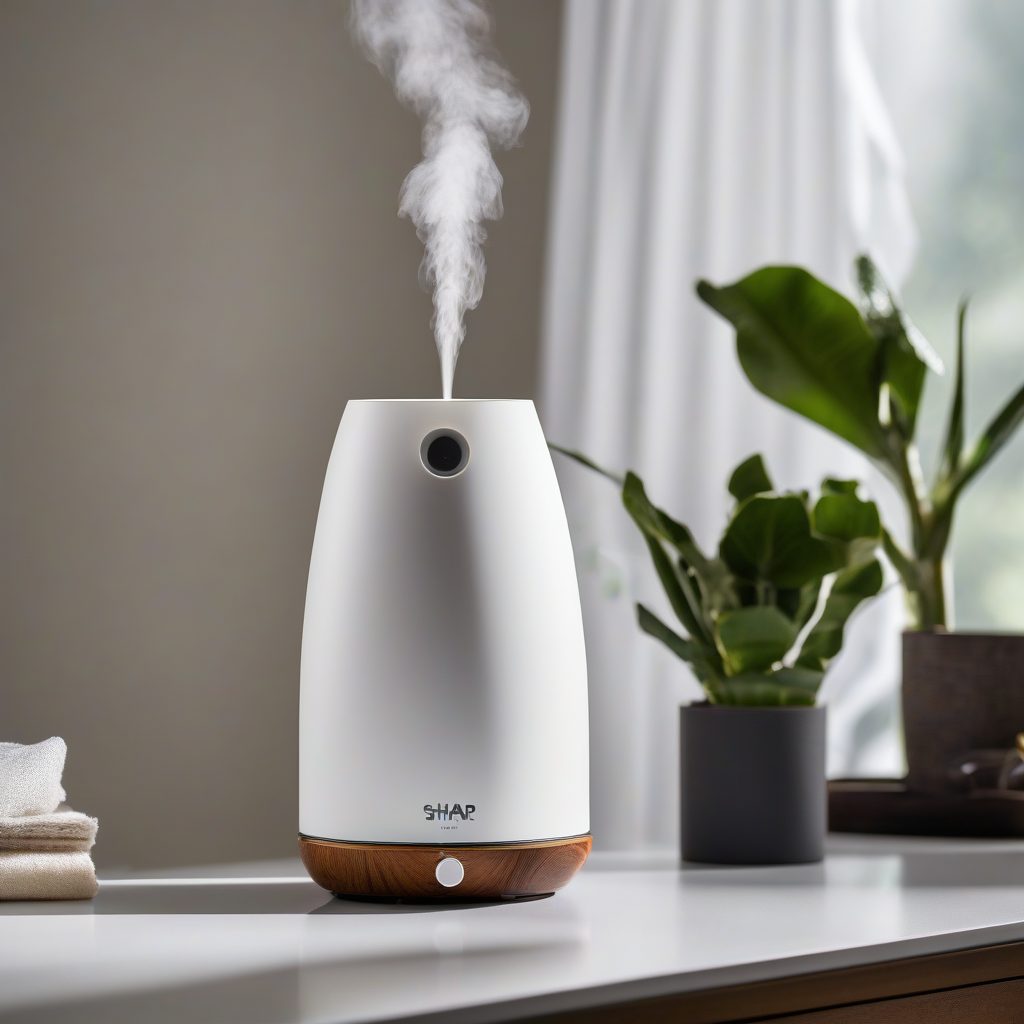
The material composition of an oil diffuser isn’t just about looks – it determines performance in smart homes. Plastic diffusers, though affordable and lightweight, have limitations for advanced integration. Their heat resistance is too low, restricting the temperature ranges needed for optimal essential oil molecular activation.
Industry experts warn that plastic diffusers can struggle to maintain stable temperatures in precision aromatherapy applications, especially when working with AI systems that require consistent temperature parameters. Glass diffusers offer better thermal stability but are vulnerable to thermal shock, a critical issue when automated systems adjust temperatures quickly. Ceramic materials, on the other hand, provide superior heat resistance and thermal conductivity, enabling precise temperature control essential for AI-driven scent optimization.
The material’s porosity also affects scent diffusion rates, with ceramic’s microstructure allowing for more gradual, consistent evaporation. This property becomes increasingly valuable as smart systems learn user preferences and adjust diffusion patterns accordingly. Ceramic diffusers have gained prominence in residential settings, particularly in homes with advanced wellness ecosystems, due to their ability to maintain consistent temperatures and create personalized scent profiles tailored to individual users’ needs and preferences.
In commercial environments, such as the AI Wellness Center in Tokyo, ceramic diffusers have become the material of choice due to their ability to maintain precise temperature ranges required by proprietary AI-driven aromatherapy protocols. The center’s success demonstrates the importance of material selection in achieving optimal results. By choosing the right material, users can unlock new dimensions of personalized wellness technology and create more effective aromatherapy experiences.
Understanding the implications of material selection on diffuser performance and AI integration capabilities is crucial for creating effective aromatherapy experiences. By examining the physical characteristics of different diffuser materials, users can make informed decisions about which material best suits their needs.
The Intelligence Divide: Material Selection and AI Integration
This shift in focus from material properties to AI integration capabilities marks a natural progression in the conversation. It’s not just about the diffuser itself, but how it interacts with the complex systems that govern our wellness. The intelligence divide between diffuser materials is most apparent when examining their compatibility with AI-driven wellness applications—a topic that has sparked debate among stakeholders in both the smart home and wellness tech sectors. As we enter 2026, ceramic materials have emerged as a clear leader in smart integration, thanks to their thermal properties that enable precise molecular activation of essential oils. This capability allows AI systems to create truly personalized scent experiences based on biometric data, environmental conditions, and user preferences—it’s like having a personal aromatherapist in your home.
But the perspective on this advancement varies significantly across different groups involved in the aromatherapy and smart home ecosystems. For practitioners in the wellness industry, particularly those specializing in aromatherapy materials, ceramic diffusers are a game-changer. Dr. Elena Martinez, a prominent aromatherapist, notes that ‘the thermal stability of ceramic diffusers has allowed us to implement more precise treatment protocols, particularly when integrated with patient monitoring systems.’
The International Aromatherapy Standards have been revised to include specific guidelines for AI-integrated diffusion systems, further underscoring the growing recognition of ceramic’s advantages in professional settings. The new standards emphasize the importance of material selection in achieving consistent therapeutic outcomes, particularly when interfaced with AI-driven wellness platforms.
On the other hand, policymakers have taken a more cautious approach to the rapid adoption of ceramic diffusers in public wellness initiatives. The European Union’s Smart Wellness Directive includes provisions that mandate comprehensive safety assessments for all AI-integrated wellness devices, including oil diffusers, before they can be deployed in public healthcare facilities. This regulatory framework has led to a more measured adoption rate in government-funded wellness programs, with some agencies opting for glass diffusers in interim solutions while awaiting full certification of ceramic models.
The directive reflects concerns about long-term material stability and potential interactions between diffuser materials and various essential oil compounds over extended periods of use. For end users, the divide is often experienced through the evolving capabilities of their smart home ecosystems. Tech-savvy consumers who have invested in comprehensive smart home integration systems report significantly higher satisfaction rates with ceramic diffusers, according to a recent Consumer Technology Association survey. These users appreciate how ceramic’s properties enable seamless integration with their existing smart home platforms, allowing for sophisticated automation scenarios.
One notable example is the ‘Wellness Wake-Up’ routine that has gained popularity among users of Apple’s HomeKit platform, where ceramic diffusers work in concert with smart lighting and temperature systems to create a gradual, multi-sensory morning experience tailored to individual circadian rhythms. The routine’s effectiveness relies heavily on the precise timing and diffusion rates made possible by ceramic’s thermal properties.
A Closer Look at the Details
Researchers in material science and AI integration present another perspective on this intelligence divide. A collaborative study between MIT’s Material Science Laboratory and the Wellness Technology Institute revealed that while ceramic diffusers offer superior performance in most metrics, there are specific applications where glass diffusers might be preferable. The study found that for certain volatile essential oil compounds, particularly those used in some traditional medicine practices, glass diffusers provided a more neutral interaction that preserved the oils’ molecular structure more effectively.
This finding has led to a nuanced view in the research community, with many scientists advocating for a more tailored approach to diffuser performance analysis based on specific use cases rather than a one-size-fits-all solution. The research highlights the complexity of the relationship between diffuser materials and AI systems, suggesting that the optimal choice may depend on the particular wellness objectives and environmental conditions. Plastic diffusers struggle with the temperature precision required for advanced AI applications.
Their thermal limitations restrict the range of essential oils that can be effectively diffused, limiting the AI’s ability to create complex scent profiles. This limitation has become particularly evident with the rise of ‘mood-responsive’ aromatherapy systems that have gained traction. These systems, which adjust diffusion patterns based on real-time emotional state detection through voice analysis and wearable biometric data, require a level of precision that plastic diffusers simply cannot achieve.
Glass diffusers offer a middle ground but remain hampered by their vulnerability to thermal shock—a critical consideration when automated systems make rapid temperature adjustments. This vulnerability has become particularly relevant with the emergence of ‘adaptive aromatherapy’ protocols that have become popular in high-end wellness spas. These protocols involve rapid shifts between hot and cold diffusion to achieve specific therapeutic effects, a process that has revealed the limitations of glass diffusers in commercial settings.
The real breakthrough comes with ceramic’s integration capabilities, which have enabled entirely new applications in both residential and commercial settings. The partnership between ceramic diffuser manufacturer AromaTech and Amazon’s SageMaker Autopilot demonstrates how material science enables advanced personalization, pushing the boundaries of what’s possible in AI wellness technology. The system analyzes user behavior patterns, environmental factors, and wellness goals to automatically adjust diffusion parameters—something only possible with ceramic’s superior thermal properties.
This intelligence divide creates a new paradigm where material selection directly determines the sophistication of aromatherapy personalization, influencing everything from product development to consumer purchasing decisions. The consequence is a fundamental shift in how consumers evaluate diffusers, moving beyond aesthetics to consider computational compatibility and AI integration potential, a trend that is reshaping the entire wellness technology landscape.
Environments of Integration: From Homes to Wellness Centers

Environments of Integration: From Homes to Wellness Centers
The optimal diffuser material varies significantly across different environments, each presenting unique challenges and opportunities for smart integration. In residential settings, ceramic diffusers have gained prominence, particularly in homes with advanced wellness ecosystems. Their ability to maintain consistent temperatures allows AI systems to create personalized scent profiles that adapt to daily routines—morning energizing blends transitioning to evening relaxation formulas.
In many smart homes, ceramic diffusers are being used to create a seamless integration with existing smart home systems. The growing trend in multi-generational households has further driven ceramic adoption, as its material stability ensures safe operation around children and elderly residents with varying sensitivities.
Office environments present different considerations. Glass diffusers, particularly those with smart connectivity features, have found favor in corporate settings where aesthetics matter but budget constraints exist. Their transparency allows visual monitoring of water levels—a practical consideration in shared spaces. However, the increasing adoption of workplace wellness programs has created demand for more sophisticated solutions, with ceramic options becoming more prevalent in executive wellness spaces.
Wellness centers represent the pinnacle of material integration, where ceramic diffusers equipped with AI diagnostics lead the industry. The Cleveland Clinic’s Integrative Medicine Wing, renovated in 2025, exemplifies this approach, utilizing ceramic diffusers connected to patient biometric monitors to create therapeutic scent environments tailored to specific treatments.
The material’s durability and thermal precision make it ideal for high-usage commercial applications. These environmental applications demonstrate how material selection directly impacts user experience and wellness outcomes across different contexts. As the demand for advanced wellness solutions continues to grow, the importance of material selection in smart home and wellness technologies will only increase.
Expert Rankings and the Future of Material Intelligence
The quest for the perfect diffuser material goes beyond environmental concerns – it’s about finding the right fit for your AI-driven wellness app. As material selection becomes increasingly important in smart diffuser tech, experts are putting diffusers through rigorous evaluations that are reshaping consumer choices.
Ceramic materials have emerged as the gold standard for AI wellness tech integration. The AromaTech Ceramic Elite, for instance, boasts seamless compatibility with leading smart home platforms, maintaining precise temperature control even when interfacing with complex AI routines that adjust scent profiles throughout the day.
The secret to its success lies in its advanced ceramic composite, which resists thermal degradation and can handle frequent temperature shifts required by adaptive wellness algorithms. In residential settings, this capability translates to more effective aromatherapy experiences – the diffuser can precisely activate different molecular compounds in essential oils based on the time of day or specific wellness goals.
Commercial applications have also seen the benefits of ceramic diffusers. At the newly opened Wellness Technology Center in Tokyo, ceramic diffusers are integrated with the building’s environmental systems to create zone-specific scent experiences that adapt to occupancy levels and time of day. The AI system collects data from wearable devices worn by visitors and staff, adjusting the diffusion intensity and scent profiles in real-time – a capability made possible by the thermal stability and responsive heating elements of advanced ceramic materials.
Meanwhile, glass diffusers are struggling to keep up with smart integration demands. While they remain popular in design-focused applications, they struggle with thermal shock in environments where AI systems demand rapid temperature changes.
A notable case at a boutique hotel in Reykjavik illustrates the limitations of glass diffusers. The hotel’s wellness concierge system, which creates personalized scent environments based on guest preferences and local weather conditions, required more durable materials to maintain consistent performance. The shift to ceramic diffusers resulted in improved guest satisfaction scores related to the aromatherapy experience.
The performance gaps between plastic and ceramic diffusers are growing as AI wellness technology advances. While plastic diffusers remain popular in budget-conscious installations, their limitations in maintaining precise temperature control are becoming increasingly apparent in sophisticated applications.
As AI wellness technology continues to evolve, the choice of diffuser material is no longer just about aesthetics or coverage area. It’s about compatibility with smart systems, thermal stability, and responsive heating capabilities. With the growing sophistication of smart home ecosystems and wellness applications, the possibilities of what AI systems can achieve in scent personalization are expanding – and the diffuser material plays a critical role in this evolution.
Beyond 2026: The Next Frontier of Diffuser Intelligence
Material science and computational intelligence are merging to enable diffusers that adjust parameters based on user behavior and environmental factors. This evolution extends beyond current capabilities, with emerging innovations poised to transform the relationship between materials and intelligent wellness systems.
Machine learning algorithms for predictive maintenance have made significant strides by 2026. These algorithms analyze usage patterns to predict maintenance needs before they become apparent, optimizing performance and extending device lifespan. Ceramic materials, with their superior durability and thermal stability, provide the ideal foundation for these advanced systems.
Diffusers will soon self-adjust parameters based on environmental conditions, user preferences, and oil properties, creating adaptive wellness ecosystems. Industry observers note that material science and AI convergence will also enable sophisticated personalization capabilities, with diffusers learning from environmental cues and user behaviors to create optimal scent experiences.
The future of aromatherapy lies in integrating material properties with computational capabilities, where physical and digital aspects of wellness become intertwined. This evolution will redefine how we experience scent, transforming aromatherapy from a simple pleasure to a sophisticated component of personalized wellness ecosystems.
As the wellness industry grows, demand for advanced diffuser technologies will continue to rise. The optimal diffuser material will vary across different environments, each presenting unique challenges and opportunities for innovation.
Frequently Asked Questions
- What’s the connection between material science and digital wellness?
- The material composition of an oil diffuser determines its performance capabilities in smart home environments.
- What’s the significance of the intelligence divide: material selection and AI integration?
- This shift from material properties to AI integration capabilities marks a natural progression in the conversation.
- How do different environments impact diffuser material selection?
- Environments of integration vary significantly, each presenting unique challenges and opportunities for innovation.
- What role do expert rankings play in the future of material intelligence?
- The quest for the perfect diffuser material involves not just the environment, but also the specific AI-driven wellness application.