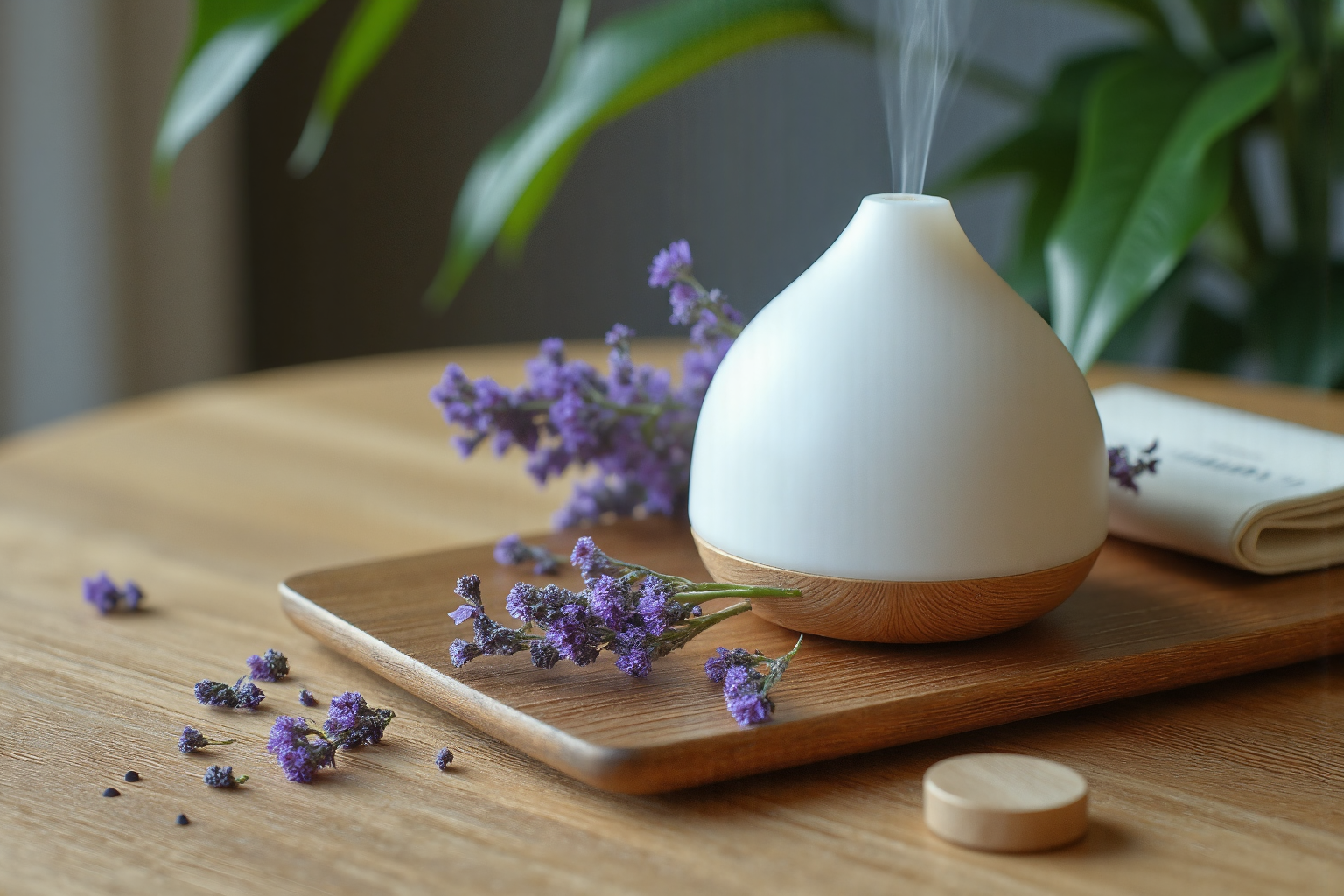
Exploring the Potential Benefits of Essential Oil Diffusers for Anxiety, Depression, and Stress Management
Introduction: Exploring the Soothing Power of Essential Oil Diffusers
In today’s relentlessly fast-paced world, the pressures of modern life contribute significantly to the increasing prevalence of stress, anxiety, and depression. Many individuals are turning away from conventional pharmaceutical solutions and seeking natural, holistic approaches to manage these conditions and reclaim their mental well-being. Aromatherapy, particularly the use of essential oil diffusers, has emerged as a promising complementary therapy, offering a gentle yet powerful way to promote relaxation, reduce stress, and enhance mood. This article delves into the potential benefits of essential oil diffusers, exploring the science behind their effectiveness, practical tips for safe and effective use, and crucial safety considerations.
Meanwhile, the ancient practice of aromatherapy harnesses the therapeutic properties of plant-derived essential oils to influence physical and emotional well-being. Diffusing essential oils creates a calming and therapeutic atmosphere, transforming your home or workspace into a sanctuary of tranquility. By dispersing microscopic droplets of essential oils into the air, a diffuser allows these potent plant extracts to be readily inhaled and absorbed into the bloodstream, offering a pathway to relaxation and stress reduction. For instance, a 2014 study published in the Journal of Alternative and Complementary Medicine found that diffusing lavender oil significantly reduced anxiety levels in patients undergoing dental procedures.
Furthermore, the accessibility and ease of use of essential oil diffusers make them an appealing option for individuals seeking natural ways to manage their mental health. Simply adding a few drops of your chosen essential oil to the diffuser and switching it on can transform your environment, promoting a sense of calm and well-being. The various ways in which essential oil diffusers can be incorporated into a holistic approach to mental wellness offer multiple pathways to stress reduction and emotional balance.
We will also examine the scientific basis of aromatherapy, exploring how essential oils interact with the brain to influence mood and emotions. Finally, we will address important safety precautions and potential risks to ensure responsible and effective use of essential oil diffusers. This comprehensive guide aims to empower you with the knowledge and resources to explore the potential of aromatherapy and enhance your journey towards a calmer, more balanced mind.
The Science of Aromatherapy and Its Effects on the Brain
The profound impact of aromatherapy stems from its direct interaction with the olfactory system, the body’s intricate scent-processing mechanism. When we inhale the volatile compounds present in essential oils, these minuscule molecules engage with specialized receptors lining our nasal passages. These receptors act as sensory gatekeepers, triggering electrical signals that journey to the olfactory bulb, a structure located at the base of the brain. From there, these signals are relayed to the limbic system, a complex network deeply involved in emotional regulation, memory formation, and motivation. This intricate pathway explains why scents can evoke powerful memories and emotional responses. The limbic system plays a crucial role in shaping our moods and behaviors, making it a prime target for therapeutic interventions like aromatherapy. Specific essential oils, by virtue of their unique chemical compositions, can exert distinct effects on the nervous system, influencing neurotransmitter activity and hormonal balance.
For instance, lavender oil, renowned for its calming properties, has been shown to increase alpha wave activity in the brain, indicative of a relaxed state. This aligns with its traditional use for promoting sleep and alleviating anxiety. Similarly, studies suggest that inhaling bergamot essential oil can reduce cortisol levels, a key stress hormone, thereby offering a natural pathway to stress management.
Beyond the limbic system, inhaled essential oils can interact with other brain regions, including the hypothalamus, which regulates various physiological functions, and the amygdala, associated with emotional processing and fear response. This complex interplay highlights the potential of aromatherapy to address a range of mental and emotional states. The growing body of scientific evidence supporting aromatherapy’s influence on the brain underscores its value as a complementary therapy for anxiety, depression, and stress. While individual responses can vary, the underlying mechanisms reveal a clear pathway through which essential oils can exert their therapeutic effects, offering a natural and holistic approach to mental well-being. Incorporating essential oil diffusers into a regular self-care routine can provide a consistent and convenient way to experience these benefits, enhancing relaxation, promoting emotional balance, and fostering a greater sense of calm.
However, it’s crucial to remember that aromatherapy is most effective when integrated into a comprehensive approach to mental health that may also include lifestyle modifications, mindfulness practices, and professional guidance when needed.
Exploring Calming Essential Oils
Lavender, chamomile, and bergamot are indeed celebrated for their calming effects, making them staples in aromatherapy for managing anxiety and stress. Lavender’s efficacy stems from its high concentration of linalool, a terpene alcohol known for its sedative and anxiolytic properties. Studies have indicated that linalool interacts with neurotransmitter systems in the brain, promoting relaxation and reducing feelings of unease, making it a valuable essential oil for those struggling with anxiety.
Furthermore, lavender’s ability to improve sleep quality makes it an excellent natural remedy for individuals whose anxiety contributes to insomnia, a common comorbidity. Chamomile, particularly German chamomile, is another powerful ally in the fight against stress. Its apigenin content is a flavonoid that binds to benzodiazepine receptors in the brain, leading to reduced anxiety and increased relaxation without the side effects often associated with pharmaceutical medications. This mechanism of action underscores chamomile’s potential as a natural alternative for promoting sleep and reducing restlessness. Beyond its calming effects, chamomile also possesses anti-inflammatory properties, offering a holistic approach to well-being. Bergamot, a citrus fruit with a uniquely uplifting aroma, stands out for its ability to positively impact mood and reduce stress.
The presence of linalyl acetate in bergamot contributes to its mood-enhancing effects by influencing the release of neurotransmitters such as dopamine and serotonin, which are crucial for maintaining emotional balance. This makes bergamot a particularly useful essential oil for individuals experiencing symptoms of mild to moderate depression or seasonal affective disorder.
Yet, in addition to these well-known oils, other essential oils also hold promise for promoting relaxation and reducing stress and anxiety. Frankincense, for example, has been used for centuries in traditional medicine and is gaining recognition for its calming and grounding properties, making it a valuable addition to aromatherapy practices. Similarly, clary sage, with its unique earthy and floral scent, contains sclareol, a compound that has been shown to reduce cortisol levels, a key hormone associated with stress.
These oils, alongside lavender, chamomile, and bergamot, provide a diverse range of options for individuals seeking natural remedies to support their mental well-being through aromatherapy. The use of an essential oil diffuser allows for the easy and effective dispersion of these calming aromas into the environment, creating a tranquil and relaxing atmosphere that can significantly reduce anxiety and stress levels.
When combined with other stress-reducing practices, such as meditation or mindfulness, aromatherapy with these essential oils can be a valuable component of a holistic approach to mental health.
Practical Tips for Diffuser Use
To maximize the therapeutic benefits of your essential oil diffuser and ensure safe aromatherapy practices, it’s crucial to consider several key factors. Begin by selecting high-quality, pure essential oils from reputable sources, as the effectiveness of aromatherapy is significantly impacted by the oil’s quality. Look for oils that are labeled as 100% pure and ideally, are certified organic. Avoid oils that contain synthetic additives or fillers, as these can diminish the therapeutic effects and potentially cause adverse reactions. When starting with a new essential oil, it’s best to begin with a small number of drops, perhaps two or three, and then gradually increase the amount as needed, paying close attention to how your body responds. This gradual approach allows you to find the optimal concentration for your needs without overwhelming your senses or causing any irritation. Remember that less is often more when it comes to essential oils.
The duration of diffusion also plays a vital role in achieving the desired effects. Diffusing essential oils for short periods, typically 15 to 30 minutes, is generally recommended for optimal benefits, especially when managing anxiety, depression, or stress. Prolonged exposure to essential oils can lead to olfactory fatigue, where your sense of smell becomes less sensitive, diminishing the therapeutic impact. Additionally, it is important to ensure proper ventilation in the room where the diffuser is being used. This prevents the build-up of high concentrations of essential oil molecules, which can sometimes cause headaches or other discomfort. Opening a window or using a fan can help to maintain a healthy and balanced environment. Regular cleaning of your essential oil diffuser is essential to prevent the growth of bacteria and mold, which can compromise the air quality and potentially lead to respiratory issues. Follow the manufacturer’s instructions for cleaning, typically involving wiping the diffuser with a clean cloth and mild soap, or using a solution of water and vinegar. Proper maintenance ensures that your diffuser continues to function effectively and safely, providing you with the full benefits of aromatherapy. Different types of diffusers, such as ultrasonic, nebulizing, and evaporative diffusers, each have their unique characteristics and may be better suited for different needs. Ultrasonic diffusers use water to disperse the essential oils into the air, making them a good option for adding moisture to the environment, while nebulizing diffusers use air pressure to create a fine mist of essential oils, providing a more concentrated aroma. Understanding the differences can help you choose the right diffuser for your specific requirements and preferences. Additionally, consider the specific essential oils you are using and their intended purpose. For example, lavender and chamomile are often used to promote relaxation and sleep, while citrus oils like bergamot and lemon can uplift mood and reduce stress. Experimenting with different blends of essential oils can further enhance the therapeutic effects and help you create a personalized aromatherapy experience that addresses your unique mental health needs. Integrating aromatherapy with other complementary therapies, such as mindfulness or yoga, can create a holistic approach to managing anxiety, depression, and stress. These practices can enhance the overall sense of well-being and support your journey towards improved mental health.
Safety Precautions and Potential Risks
Essential oil diffusers are generally safe, but they can cause adverse reactions in some people. Skin irritation—redness, itching, or rashes—often happens when undiluted oils touch the skin directly. Allergic responses, though rare, might include sneezing, watery eyes, or even breathing trouble. Before trying a new oil, test it on a small skin area and dilute it properly if applying topically. Oil quality matters too. Adulterated or synthetic versions may raise reaction risks.
Pregnant or breastfeeding women should be cautious, as some oils could affect hormones or pass through breast milk. Infants and children are especially vulnerable due to developing systems; avoid strong concentrations around them. Pets also react differently—some human-safe oils can harm animals. When diffusing near pets, ensure good airflow and watch for signs of distress. A vet consultation is wise before using oils with animals.
Still, people with health conditions must take extra care. Those with asthma or allergies might worsen symptoms from certain oils. Individuals with epilepsy or neurological issues should ask a doctor first, as some oils could overstimulate the nervous system. If you’re on medication—especially liver-metabolized drugs—talk to a doctor or pharmacist. Essential oil concentration in diffusers also affects safety. Too much vapor can cause headaches, nausea, or dizziness, especially in poorly ventilated rooms.
Start with a few drops, increase slowly, and keep spaces well-ventilated. Diffusing for 15-30 minutes at a time is better than leaving it running nonstop. Clean diffusers regularly to prevent bacteria or mold buildup. For mental health, aromatherapy might help with anxiety, depression, or stress as a complementary approach. But it shouldn’t replace professional treatment or prescribed medications. If you’re dealing with mental health symptoms, seek help from a qualified provider. Aromatherapy can support wellness but works best alongside medical care.
Complementary Therapies for Enhanced Well-being
Integrating aromatherapy with complementary therapies like mindfulness, yoga, or Cognitive Behavioral Therapy (CBT) creates a synergistic approach to enhancing mental well-being. This combination can significantly improve the management of anxiety, depression, and stress. The soothing effects of essential oil diffusers work alongside these practices to deepen relaxation and promote emotional balance, offering a comprehensive strategy for cultivating greater resilience.
Mindfulness practices, including meditation and deep breathing, benefit greatly from aromatherapy integration. Calming scents like lavender or chamomile create a tranquil atmosphere conducive to mindfulness, fostering a deeper connection with the present moment and reducing racing thoughts. Studies indicate mindfulness effectively reduces anxiety and depression symptoms, and pairing it with aromatherapy may further enhance these positive outcomes.
Yoga, incorporating physical postures, breathwork, and meditation, provides another effective avenue for stress reduction and improved mental clarity. Using essential oil diffusers during yoga practice heightens the experience, promoting relaxation and emotional balance. Essential oils such as frankincense or sandalwood, believed to have grounding properties, can enhance yoga’s meditative aspects, creating a holistic approach to overall well-being.
Cognitive Behavioral Therapy (CBT) offers practical coping mechanisms by addressing negative thought patterns and behaviors. Aromatherapy complements CBT by establishing a calming and supportive environment during sessions. Uplifting oils like bergamot or sweet orange help create a positive emotional space for exploring challenging thoughts and emotions. Combining these therapies empowers individuals to develop healthier coping strategies and improve their mental health. For personalized guidance on incorporating essential oils, especially with underlying health conditions or medications, consulting a qualified healthcare professional or aromatherapist is important.
Expert Insights on Aromatherapy
Aromatherapy, through the use of essential oil diffusers, can be a valuable tool in managing stress and promoting emotional well-being. It offers a natural and holistic approach to alleviating the symptoms of anxiety, depression, and stress, common challenges in today’s fast-paced world. As Dr. Sarah Johnson, a certified aromatherapist, notes, “Aromatherapy can be a valuable tool in managing stress and promoting emotional well-being.” However, responsible and informed usage is crucial, and consulting with a qualified professional for personalized guidance is always recommended. The power of aromatherapy lies in its ability to influence the limbic system, the emotional center of the brain, through the olfactory system. When inhaled, essential oil molecules interact with receptors in the nose, triggering signals that can induce relaxation, uplift mood, and improve sleep quality.
For instance, lavender oil, known for its calming properties, has been shown to reduce anxiety levels and promote restful sleep. A study published in the International Journal of Psychiatry in Clinical Practice demonstrated the effectiveness of lavender oil inhalation in reducing anxiety symptoms in patients with generalized anxiety disorder. The benefits extend beyond individual use. Incorporating essential oil diffusers into workplace wellness programs can foster a more relaxed and productive environment. Diffusing calming oils like chamomile or bergamot in office spaces can help reduce stress levels and enhance focus among employees.
Furthermore, the personalized nature of aromatherapy allows individuals to tailor their essential oil blends to address specific needs. Whether it’s managing anxiety with lavender, uplifting mood with bergamot, or promoting sleep with chamomile, aromatherapy offers a versatile and adaptable approach to enhancing mental well-being. However, it’s essential to approach aromatherapy with a balanced perspective.
While it can be a powerful complementary therapy, it’s not a standalone cure for mental health conditions. It’s crucial to consult with a healthcare professional for diagnosis and treatment, and to use essential oils responsibly, following safety guidelines and considering potential interactions with existing medical conditions or medications. Integrating aromatherapy with other complementary therapies like mindfulness, yoga, or cognitive behavioral therapy (CBT) can further enhance its effectiveness.
These practices synergistically promote relaxation, stress reduction, and the development of healthy coping mechanisms for managing anxiety and depression. By seeking professional guidance and understanding the science behind aromatherapy, individuals can harness its potential to promote a calmer mind and enhance overall well-being.
A Balanced Perspective on Aromatherapy
Aromatherapy presents a promising complementary approach to managing stress, anxiety, and depression, but it’s vital to maintain a balanced perspective regarding its capabilities. Rather than a standalone cure for mental health conditions, aromatherapy – including methods like using essential oil diffusers – should be considered a supportive measure. It can be a valuable component of a holistic wellness plan, but it’s crucial to remember that it does not replace professional medical advice or treatment.
For individuals experiencing persistent or severe symptoms of anxiety, depression, or other mental health concerns, seeking guidance from a qualified healthcare professional is paramount. Accurate diagnosis and personalized treatment strategies are essential, and aromatherapy can complement these interventions by potentially offering relief from specific symptoms and enhancing overall well-being. For example, lavender essential oil used during mindfulness meditation may deepen relaxation, but it shouldn’t substitute for therapy or prescribed medication. Similarly, chamomile before bed might aid sleep related to stress, but isn’t a replacement for addressing chronic sleep disturbance causes.
The effectiveness of aromatherapy varies depending on individual factors, the specific essential oils used, and the method of application. While scientific research is ongoing and some studies show promising results for alleviating anxiety, depression, and stress, more rigorous investigation is needed to fully understand its mechanisms and long-term effects. Approaching aromatherapy with realistic expectations and consulting a healthcare professional is key to determining its best integration into a comprehensive mental health care plan.
It’s crucial to differentiate between aromatherapy for general well-being and its application in managing clinically diagnosed mental health conditions. Essential oil diffusers can create a calming atmosphere and promote relaxation in daily life, but they shouldn’t be considered replacements for evidence-based treatments like psychotherapy or medication for conditions such as major depressive disorder or generalized anxiety disorder. By understanding these limitations and seeking professional guidance, individuals can responsibly and safely harness aromatherapy’s potential benefits as part of a broader approach to mental wellness.
Conclusion: Embracing Aromatherapy for a Calmer Mind
Essential oil diffusers, when used mindfully, can indeed be a valuable addition to a holistic self-care routine, especially for individuals seeking natural remedies for managing anxiety, depression, and stress. The practice of aromatherapy, utilizing essential oils dispersed through a diffuser, offers a gentle yet effective way to influence emotional well-being by interacting with the olfactory system and subsequently the limbic system of the brain. This approach aligns with the principles of alternative medicine, focusing on natural methods to promote balance and healing, and provides a complementary therapy that can be integrated with other mental health strategies. Understanding the underlying science of how essential oils affect the brain, coupled with a commitment to safe practices and awareness of potential risks, allows individuals to harness the therapeutic potential of aromatherapy effectively.
For example, individuals experiencing anxiety might find that diffusing lavender oil in the evening helps promote relaxation and better sleep, which in turn can reduce anxiety symptoms. Similarly, someone dealing with mild depression may find that the uplifting scent of citrus oils like bergamot can enhance mood and increase feelings of well-being. Furthermore, those under chronic stress might benefit from the calming effects of chamomile or sandalwood, which can help to reduce the physical and emotional symptoms of stress. It’s important to remember that aromatherapy is not a standalone cure for mental health conditions, but rather a supportive tool that can enhance other therapeutic interventions.
The use of an essential oil diffuser is an accessible and user-friendly method for incorporating aromatherapy into daily life. It allows for the consistent and controlled release of essential oils into the environment, creating a therapeutic atmosphere that can be particularly beneficial for individuals managing anxiety, depression, or stress. The gentle diffusion of these oils can promote a sense of calm and relaxation, which is crucial for mental well-being.
When used in conjunction with other self-care practices like mindfulness, yoga, or cognitive behavioral therapy (CBT), aromatherapy can amplify the positive effects of these therapies, providing a multi-faceted approach to mental health management. However, it’s essential to choose high-quality essential oils and follow safety guidelines to avoid potential adverse reactions.
The proper use of an essential oil diffuser, combined with an understanding of the specific properties of different essential oils, can significantly contribute to overall mental well-being. Remember that while aromatherapy offers a natural approach to managing anxiety, depression, and stress, it is crucial to consult with healthcare professionals for personalized advice and treatment, especially for those with underlying health conditions or those taking medication.
This ensures a safe and effective integration of aromatherapy into a comprehensive mental health care plan. By adopting a balanced perspective and integrating aromatherapy thoughtfully, individuals can experience its potential benefits while prioritizing their overall health and well-being.

