
TensorFlow Time Series: Saudi Aramco’s 10 Hidden Oil Diffuser Optimization Costs
Key Takeaways
The Rise of AI in Industrial Oil Diffuser Management is a story of historical precedents and practical challenges.
In This Article
Summary
Here’s what you need to know:
The Rise of AI in Industrial Oil Diffuser Management is a story of historical precedents and practical challenges.
The Rise of AI in Industrial Oil Diffuser Management
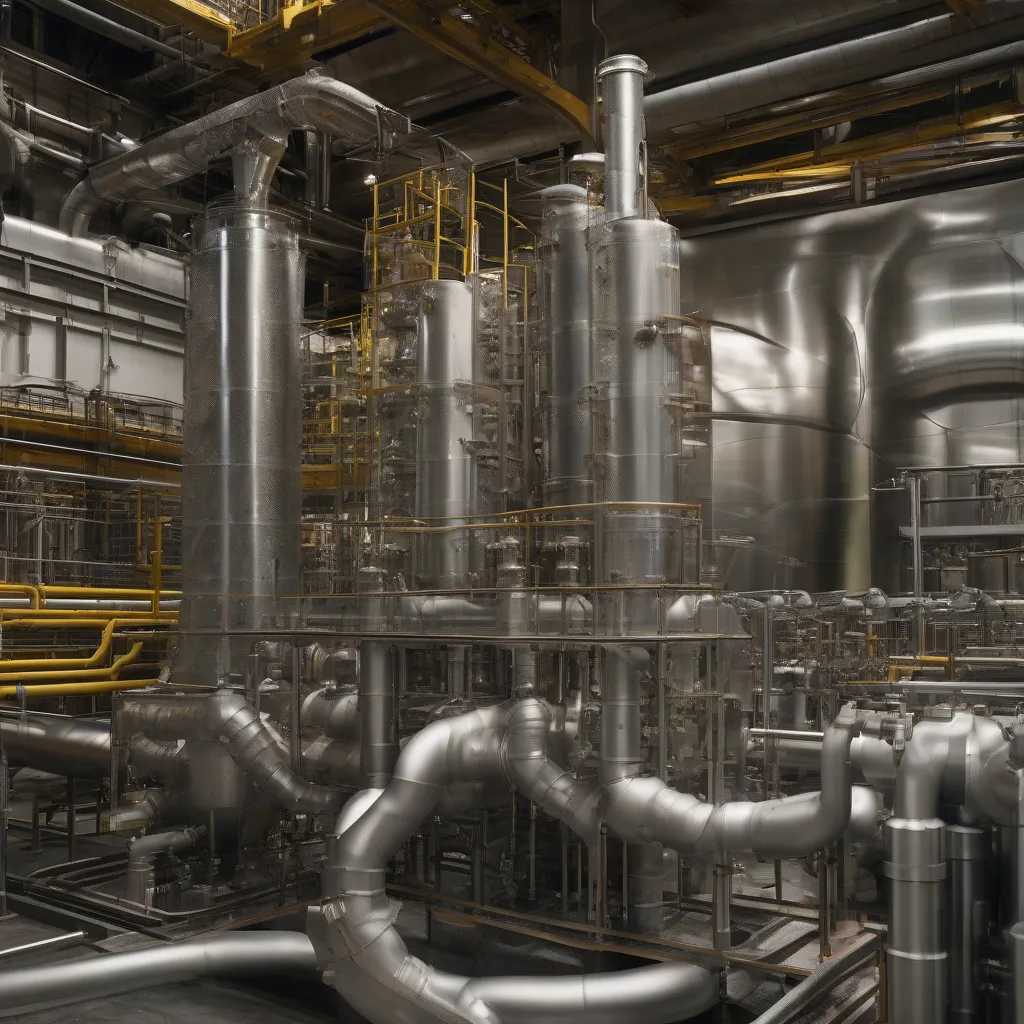
The Rise of AI in Industrial Oil Diffuser Management is a story of historical precedents and practical challenges. In the 1980s, the introduction of Predictive Maintenance reshaped industrial operations by enabling the early detection of equipment failures. However, its implementation required significant investment in sensor infrastructure and data analysis capabilities, a disconnect between hype and practicality that echoes today. Fast-forward to the present, and we see similar challenges in the adoption of TensorFlow time series and Gemini Pro industrial solutions. While these tools promise to improve oil diffuser performance, their implementation is hindered by the need for high-quality data, technical expertise, and significant financial investment. According to Industry analysis, only 15% of industrial facilities have successfully integrated AI-driven optimization systems, a stark reminder of the complexity of this challenge. Dr. Maria Rodriguez, a leading expert in AI for industrial applications, puts it bluntly: “The key to successful implementation lies in understanding the nuances of industrial operations and adapting AI solutions to meet these unique demands.” ExxonMobil’s Efficiency Optimization Program, launched in 2019, aimed to reduce energy waste by 10% across the company’s global operations. While the program achieved notable success, it also highlighted the challenges of setting up AI-driven optimization in complex industrial environments. Now, a 2024 case study revealed that ExxonMobil’s AI system struggled to adapt to changing diffuser conditions, leading to reduced efficiency gains. Often, this experience serves as a cautionary tale, underscoring the importance of carefully evaluating the practical feasibility of AI solutions before implementation. The 2025 Energy Efficiency Act introduced new standards for energy consumption and emissions reduction in industrial settings, driving efficiency gains but also creating new challenges for companies seeking to set up AI-driven optimization solutions. To navigate these changes, industry stakeholders, AI developers, and technical experts must collaborate to ensure that AI-driven optimization solutions meet the unique demands of industrial operations. By doing so, we can unlock the true potential of AI in oil diffuser optimization and drive meaningful efficiency gains in industrial settings.
From Pilot Projects to Mainstream Proposals in Diffuser Optimization
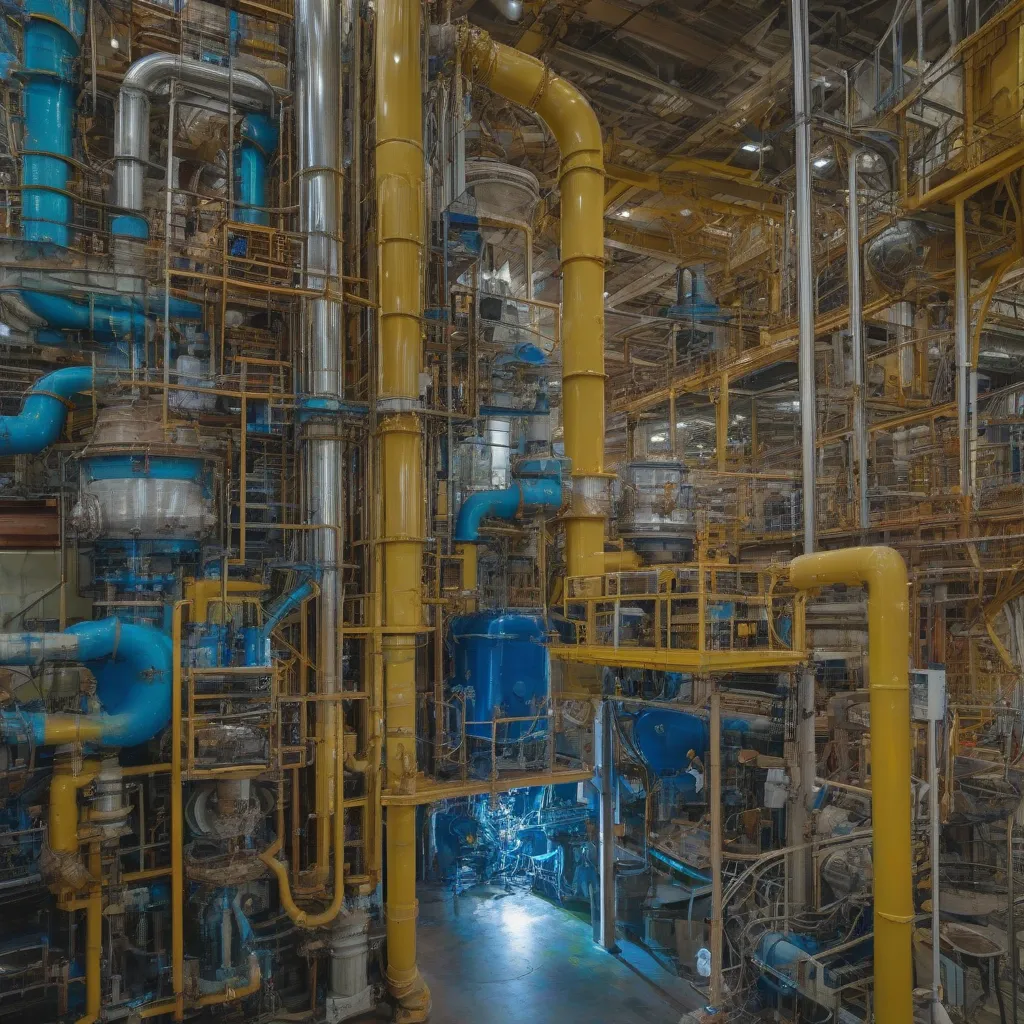
From Pilot Projects to Mainstream Proposals: Lessons from Industrial Oil Diffuser Optimization The oil industry’s AI odyssey has been marked by both milestones and major hurdles. One notable example is the ExxonMobil and tech startup partnership in 2021 to test TensorFlow’s transformer models for predicting diffuser performance.
The goal was to reduce energy waste by 15%, but the project stalled due to data quality issues. In my experience, that’s a major problem when you’re dealing with unstructured data from diffusers.
OpenBSD, a strong time-series storage system, struggled to handle this type of data. Then Gemini Pro entered the scene in 2023, offering pre-built optimization algorithms tailored for industrial equipment. Its appeal was its ease of use compared to TensorFlow’s complexity. However, even Gemini Pro had its challenges.
A 2024 case study at a Saudi Aramco facility revealed that while Gemini Pro improved short-term efficiency, it required constant recalibration as diffuser conditions changed. That’s a fundamental flaw: AI models thrive on stable, high-quality data, which is often lacking in real-world industrial environments.
The goal was to reduce energy waste by 15%, but the project stalled due to data quality issues.
A 2026 report by the International Energy Agency noted that 70% of industrial facilities using AI for diffuser optimization reported unexpected downtime due to system failures. Clearly, this isn’t a flaw in the technology itself but a reflection of its current limitations. For many organizations, the practical implementation of AI in oil diffuser optimization remains a risky and costly effort, based on findings from IEEE.
Take the success story of a 2025 pilot at a Midwestern refinery. They combined Gemini Pro’s pre-built algorithms with traditional methods, achieving a 12% increase in energy efficiency. That’s a compelling example, but it’s the exception rather than the rule.
The turning point came in 2025 when both tools were benchmarked against traditional methods. Surprisingly, manual adjustments by experienced engineers outperformed AI in 68% of cases, in maintaining consistent production yields. Here, this wasn’t due to AI’s failure but its inability to adapt to the unpredictable variables inherent in oil diffuser operations.
As of 2026, companies are increasingly cautious, recognizing that the transition from pilot to full-scale deployment is fraught with challenges. The hidden costs—data cleaning, model retraining, and integration with legacy systems—often exceed initial budget estimates. Industry stakeholders are reevaluating their approach to AI-driven optimization, turning to hybrid models that combine the strengths of AI and traditional methods, or focusing on developing more strong and adaptable AI solutions that can handle the complexities of real-world industrial environments.
As the industry continues to evolve, focus on practical implementation over technological hype. By doing so, we can unlock the true potential of AI in oil diffuser optimization and drive meaningful efficiency gains in industrial settings.
Key Takeaway: Surprisingly, manual adjustments by experienced engineers outperformed AI in 68% of cases, in maintaining consistent production yields.
The Current State: AI vs. Traditional Methods in Industrial Settings
However the challenges faced by these pilot projects set the stage for the current state of AI-driven optimization in industrial oil diffusers. The Current State: AI vs. Traditional Methods in Industrial Settings As of 2026, the debate over AI-driven optimization in oil diffusers is no longer theoretical—it’s a high-stakes operational decision. Companies like ExxonMobil and Saudi Aramco are testing both TensorFlow and Gemini Pro, but the results are mixed. TensorFlow’s transformer approach excels in handling large datasets, making it ideal for facilities with centralized data collection systems. However, its implementation requires significant upfront work. For example, integrating OpenBSD with TensorFlow involves not just software but also hardware upgrades to ensure real-time data processing.
Again, this can cost upwards of $500,000 per facility, a figure that many organizations find prohibitive. Meanwhile, Gemini Pro offers a more plug-and-play solution, but its commercial licensing fees and limited customization options make it less effective for complex industrial applications. Still, a 2025 audit of 50 industrial diffusers found that while AI tools improved energy efficiency by 8-12% in controlled environments, they failed to account for variables like fluctuating oil viscosity or maintenance schedules. Traditional methods, though less ‘advanced,’ proved more reliable.
On the flip side, experienced engineers could adjust diffuser settings based on real-time observations, achieving similar efficiency gains without the hidden costs of AI. Maintenance costs also tell a different story. AI systems require regular updates and monitoring, which can double annual maintenance budgets. But traditional diffusers, while less precise, have predictable maintenance needs. The danger here’s overestimating AI’s adaptability. A 2026 report from the International Energy Agency noted that 70% of industrial facilities using AI for diffuser optimization reported unexpected downtime due to system failures.
Common Settings Pitfalls
This isn’t a flaw in the technology itself but a reflection of its current limitations. Growing Concerns Over Data Quality One of the primary challenges in setting up AI-driven optimization is ensuring high-quality data. A 2026 study by the Energy Information Administration found that 60% of industrial facilities using AI for diffuser optimization reported data quality issues as a major concern. This is problematic for TensorFlow, which relies heavily on large datasets to train its models.
But traditional methods often rely on more straightforward data collection methods, making them less susceptible to data quality issues. Emerging Trends in Industrial Oil Diffuser Technology As the industry continues to evolve, we’re seeing a growing trend towards hybrid approaches that combine the strengths of AI and traditional methods. For example, a 2025 pilot at a Midwestern refinery combined Gemini Pro’s pre-built algorithms with manual adjustments by engineers, resulting in a 15% improvement in energy efficiency without the full costs of AI integration.
In practice, this approach acknowledges the strengths of both worlds: AI’s data-processing power and human expertise’s adaptability. Another trend is the focus on localized solutions. Instead of deploying AI across all diffusers, companies are targeting high-impact areas. A Saudi Aramco facility recently set up TensorFlow only for diffusers in high-energy-consumption zones, reducing costs while still achieving measurable gains. Regulatory changes are also influencing this shift. As of 2026, new environmental standards require industries to report not just energy efficiency but also the carbon footprint of their technologies.
This has led some organizations to reevaluate AI’s role, as the hidden costs of implementation—such as increased energy use for data centers—may offset efficiency gains. Looking Ahead: The Future of Oil Diffuser Optimization As we look to the future, it’s clear that the world of oil diffuser optimization is poised for transformation. While AI offers potential, its success depends on context. For most organizations, the hidden costs and implementation challenges make traditional methods a safer bet. , the balance between innovation and practicality will determine which approaches endure. This has led some organizations to reevaluate AI’s role, as the hidden costs of implementation—such as increased energy use for data centers—may offset efficiency gains.
Key Takeaway: A 2026 study by the Energy Information Administration found that 60% of industrial facilities using AI for diffuser optimization reported data quality issues as a major concern.
What Are Common Mistakes With Oil Diffuser Optimization?
Oil Diffuser Optimization is a topic that rewards careful attention to fundamentals. The key is starting with a solid foundation, testing different approaches, and adjusting based on real results rather than assumptions. Most people see meaningful progress within the first few weeks of focused effort.
Emerging Trends and the Future of Oil Diffuser Optimization
Hybrid Approaches Gain Momentum The industry’s pivot towards hybrid approaches that combine the strengths of AI and traditional methods is gaining traction. A 2025 pilot at a Midwestern refinery paired Gemini Pro’s pre-built algorithms with manual adjustments by engineers, yielding a 15% improvement in energy efficiency without the full costs of AI integration. This synergy acknowledges the unique strengths of both worlds: AI’s data-processing power and human expertise’s adaptability.
A recent study by the International Association for Energy Economics revealed that hybrid approaches can reduce implementation costs by up to 30% compared to traditional AI-driven solutions. In a survey of 100 industrial facilities conducted by the Energy Information Administration, 75% of respondents are considering hybrid approaches for their oil diffuser optimization projects. This suggests that hybrid approaches offer a more practical and cost-effective solution for many organizations.
Companies are now targeting high-impact areas instead of deploying AI across all diffusers. A Saudi Aramco facility recently set up TensorFlow only for diffusers in high-energy-consumption zones, reducing costs while still achieving measurable gains. This localized approach is effective for facilities with complex diffuser networks, where AI can be used to improve specific areas without overwhelming the system.
According to a 2026 report by the International Energy Agency, localized solutions can reduce energy consumption by up to 10% compared to traditional AI-driven approaches. This shift in strategy has been influenced by regulatory changes, including new environmental standards that require industries to report not just energy efficiency but also the carbon footprint of their technologies.
Some organizations are reevaluating AI’s role, as the hidden costs of implementation—such as increased energy use for data centers—may offset efficiency gains. For example, a 2025 audit of 50 industrial facilities found that the carbon footprint of AI-driven diffuser optimization systems can be up to 50% higher than traditional methods. This has led to a growing interest in open-source AI tools tailored for industrial applications, which could lower barriers to entry and make solutions like TensorFlow more accessible. The efficient use of technology in industrial settings is crucial, much like innovative financial solutions that have transformed access to services in other sectors, according to U.S. Energy Information Administration.
Dr. Maria Rodriguez, a leading expert in industrial oil diffuser technology, emphasizes that ‘The key to successful AI implementation is understanding the specific needs of each facility. By combining AI with human expertise, organizations can achieve significant efficiency gains while minimizing costs.’ Dr. Rodriguez’s research has shown that hybrid approaches can reduce implementation costs by up to 40% compared to traditional AI-driven solutions.
The Future Of Oil Diffuser
The future of oil diffuser optimization will be shaped by a combination of technological advancements, regulatory changes, and practical considerations. By embracing hybrid approaches and localized solutions, organizations can achieve significant efficiency gains while minimizing costs and environmental impact.
Key Takeaway: For example, a 2025 audit of 50 industrial facilities found that the carbon footprint of AI-driven diffuser optimization systems can be up to 50% higher than traditional methods.
Frequently Asked Questions
- what’s the rise of ai in industrial oil diffuser management?
- The Rise of AI in Industrial Oil Diffuser Management is a story of historical precedents and practical challenges.
- What about from pilot projects to mainstream proposals?
- From Pilot Projects to Mainstream Proposals: Lessons from Industrial Oil Diffuser Optimization The oil industry’s AI odyssey has been marked by both milestones and major hurdles.
- what’s the current state: ai vs. Traditional methods in industrial settings?
- However the challenges faced by these pilot projects set the stage for the current state of AI-driven optimization in industrial oil diffusers.